
How do you use your ?
Would you like to increase your caliper and rotor size for improved performance and look?
 Sorry, no products matching your vehicle were found in this category.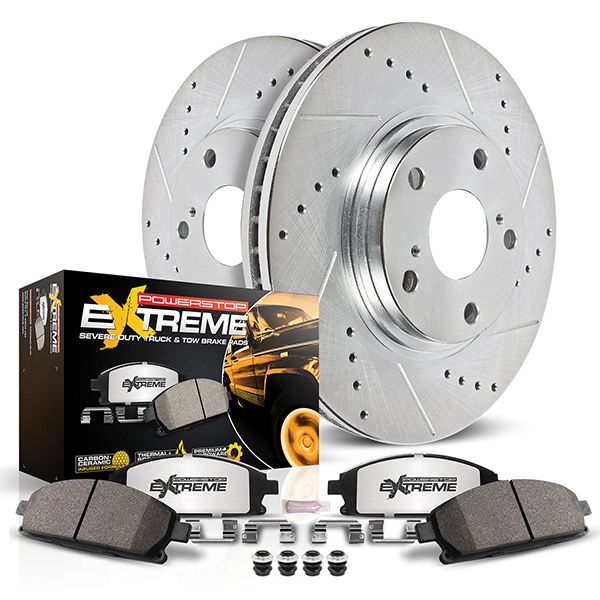
Recommended Brake Pad & Rotor Kits
Z36 Truck & Tow Brake Upgrade Kit
Part #:
 Will not fit your vehicle
Everything you need is in the box.
CHOOSE WHERE TO BUY
We’ll link you to this exact product on the retailer’s site
Recommended Brake Pad & Rotor Kits
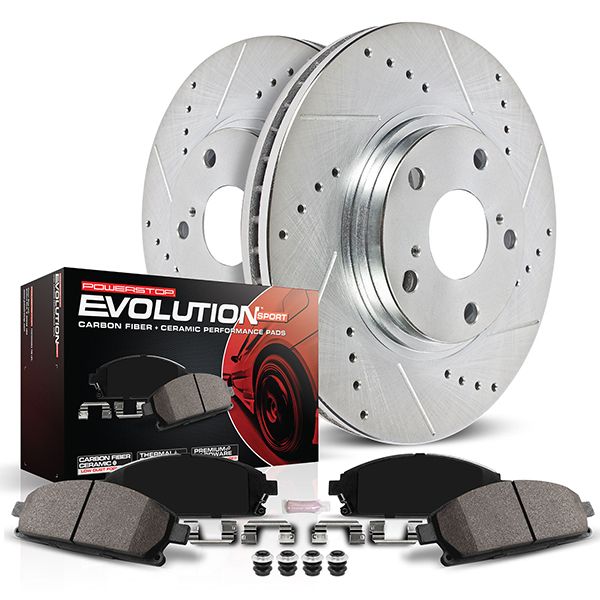
Z23 Evolution Sport Brake Upgrade Kit
Part #:
Will not fit your vehicleEverything you need is in the box.
CHOOSE WHERE TO BUY
We’ll link you to this exact product on the retailer’s site
Recommended Brake Pad & Rotor Kits
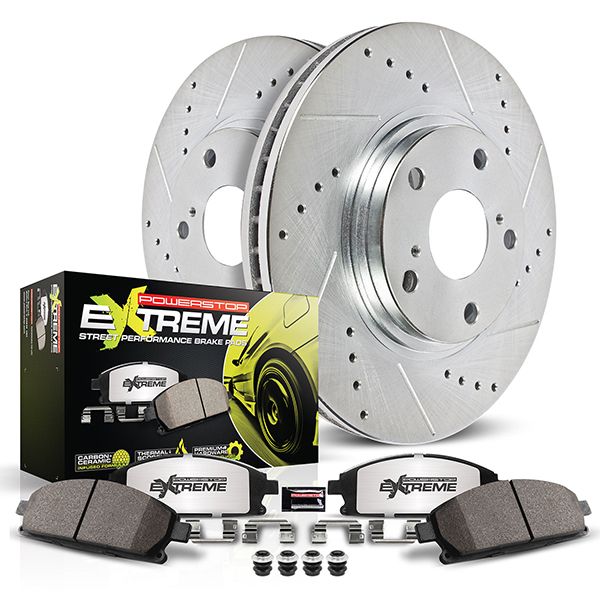
Z26 Street Warrior Brake Upgrade Kit
Part #:
Will not fit your vehicleEverything you need is in the box.
CHOOSE WHERE TO BUY
We’ll link you to this exact product on the retailer’s site
Recommended Brake Pad & Rotor Kits
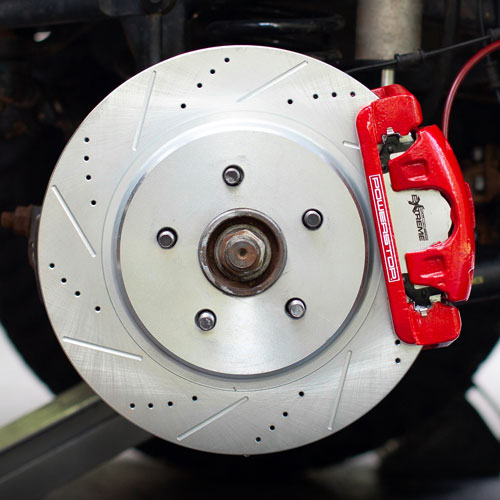
Jeep Big Brake Conversion Kit
Part #:
Will not fit your vehicleEverything you need is in the box.
CHOOSE WHERE TO BUY
We’ll link you to this exact product on the retailer’s site
Recommended Brake Pad & Rotor Kits
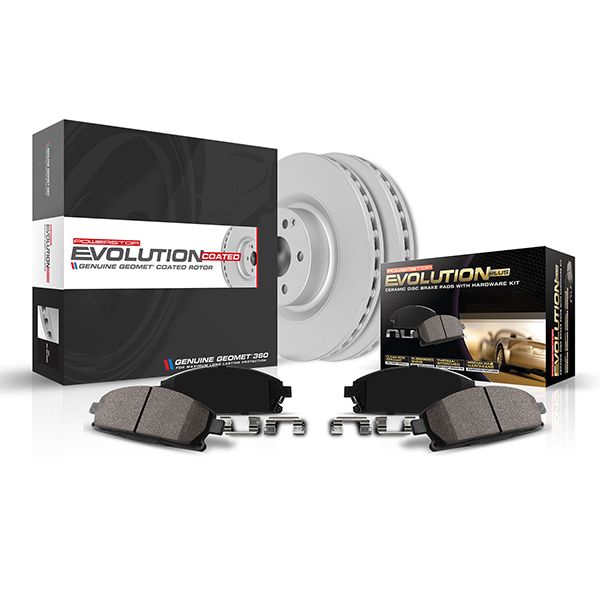
Z17 Evolution GEOMET® Fully Coated Rotor Brake Kit
Part #:
Will not fit your vehicleEverything you need is in the box.
CHOOSE WHERE TO BUY
We’ll link you to this exact product on the retailer’s site
Recommended Brake Pad & Rotor Kits
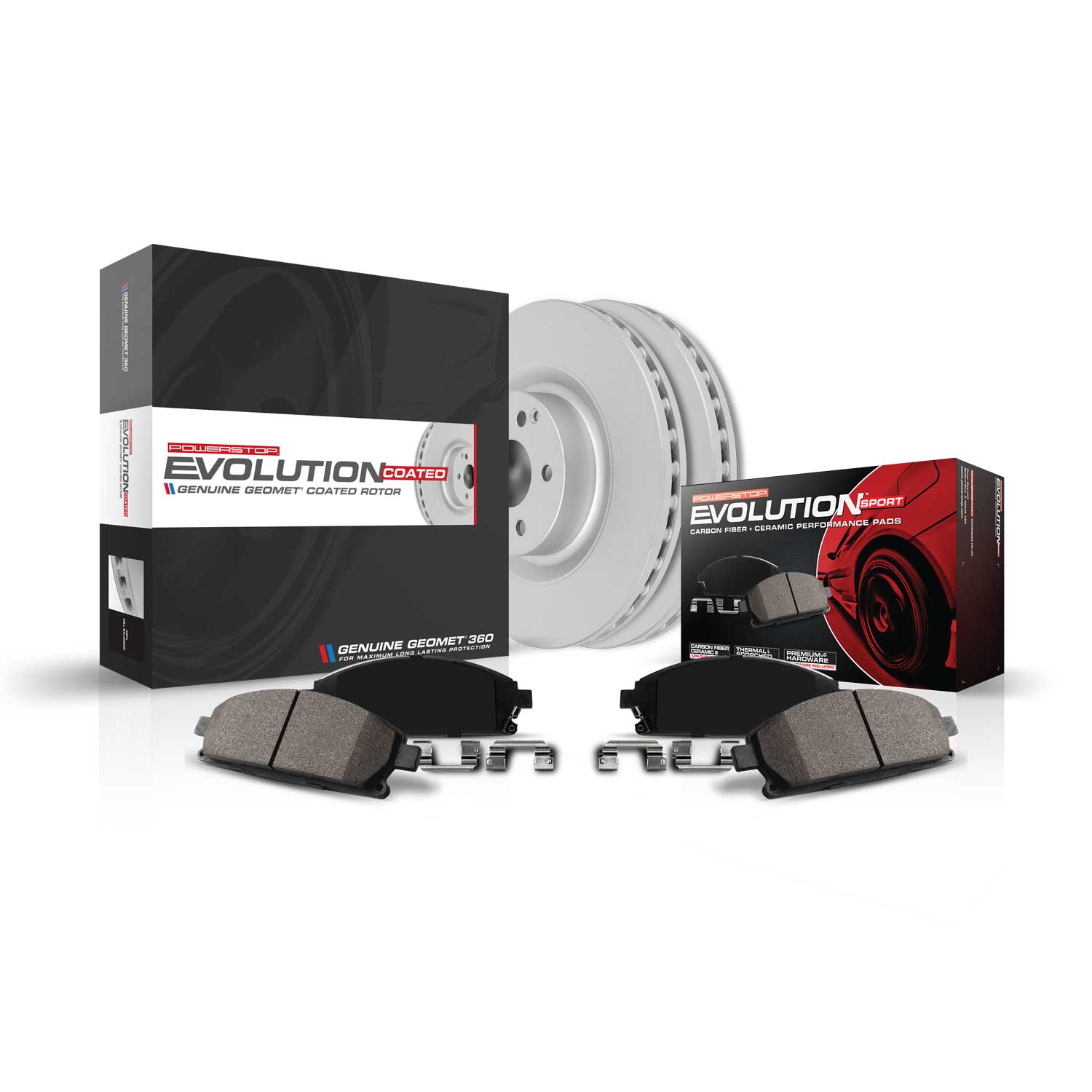
Z23 Evolution Sport GEOMET® Fully Coated Rotor Brake Kit for European Vehicles
Part #:
Will not fit your vehicleEverything you need is in the box.
CHOOSE WHERE TO BUY
We’ll link you to this exact product on the retailer’s site
Recommended Brake Pad & Rotor Kits
Z17 Stock Replacement Brake Kit
Part #:
Will not fit your vehicleEverything you need is in the box.
CHOOSE WHERE TO BUY
We’ll link you to this exact product on the retailer’s site
Recommended Brake Pad & Rotor Kits
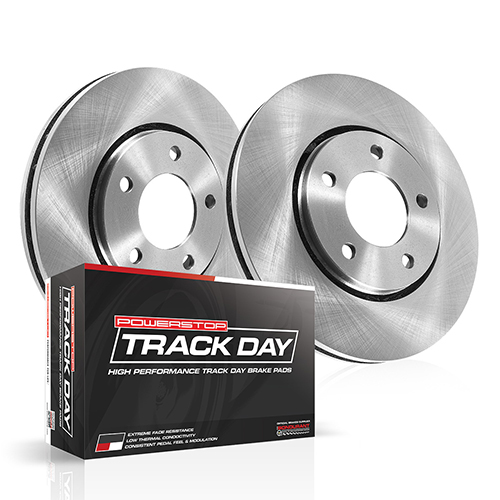
Track Day Brake Kit
Part #:
Will not fit your vehicleEverything you need is in the box.
CHOOSE WHERE TO BUY
We’ll link you to this exact product on the retailer’s site
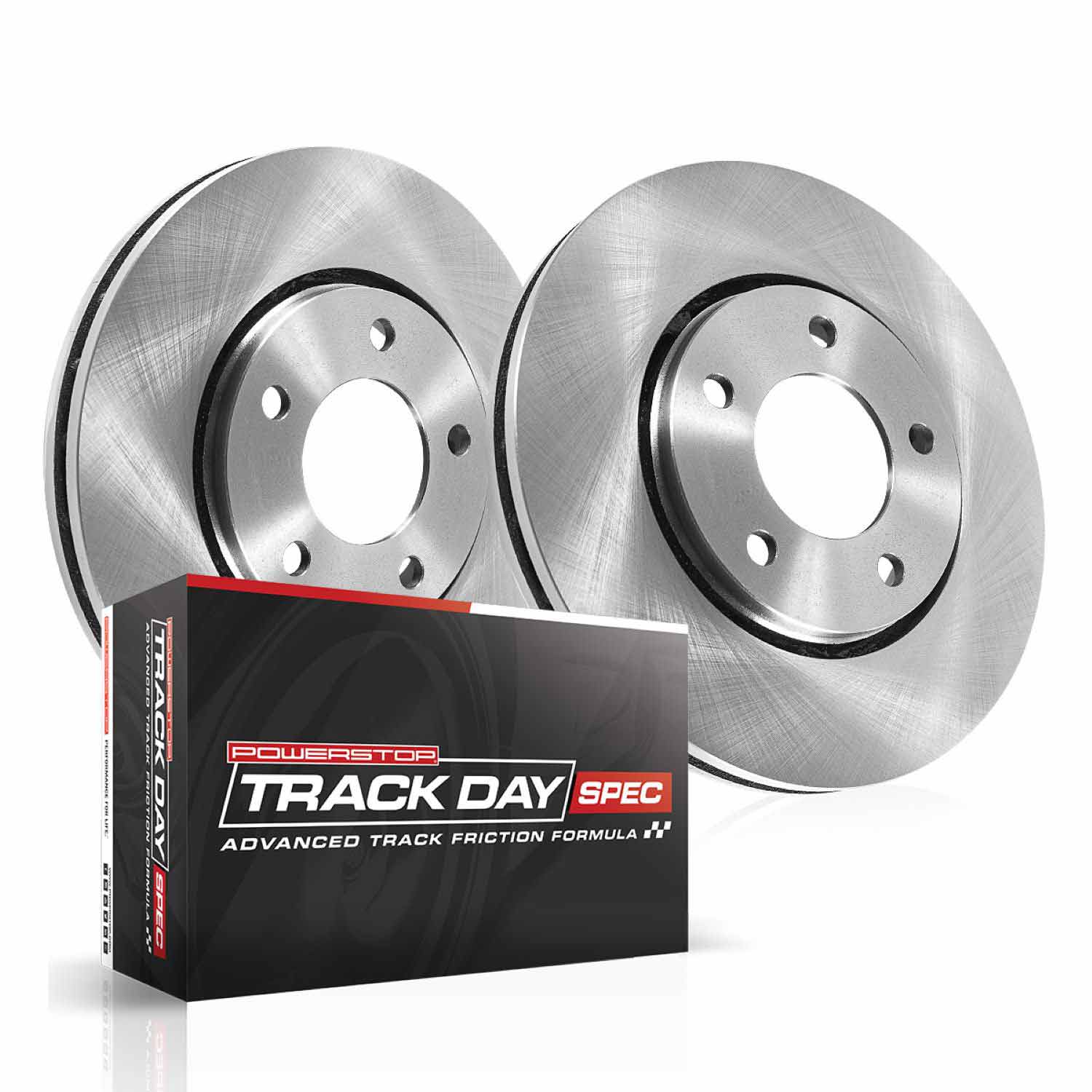
Recommended Brake Pad & Rotor Kits
Track Day Spec Brake Kit
Part #:
Will not fit your vehicleEverything you need is in the box.
CHOOSE WHERE TO BUY
We’ll link you to this exact product on the retailer’s site
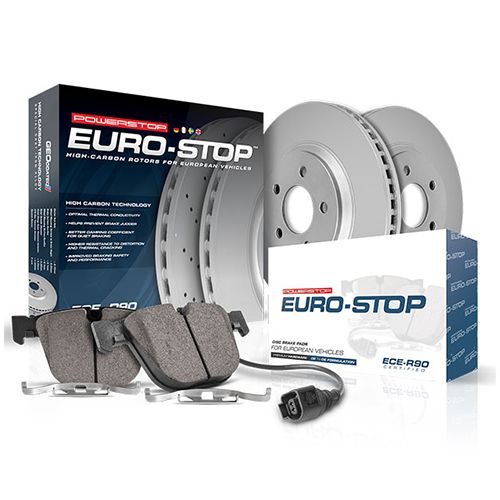
Recommended Brake Pad & Rotor Kits
Euro-Stop Brake Kit
Part #:
Will not fit your vehicleEverything you need is in the box.
CHOOSE WHERE TO BUY
We’ll link you to this exact product on the retailer’s site
Sorry, no products matching your vehicle were found in this category.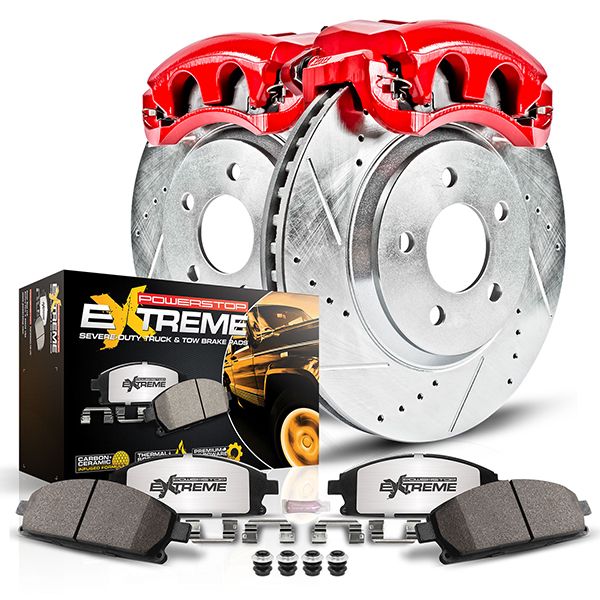
Recommended Brake Caliper Kits
Z36 Truck & Tow Brake Upgrade Kit with Powder Coated Calipers
Part #:
Will not fit your vehicleEverything you need is in the box.
CHOOSE WHERE TO BUY
We’ll link you to this exact product on the retailer’s site
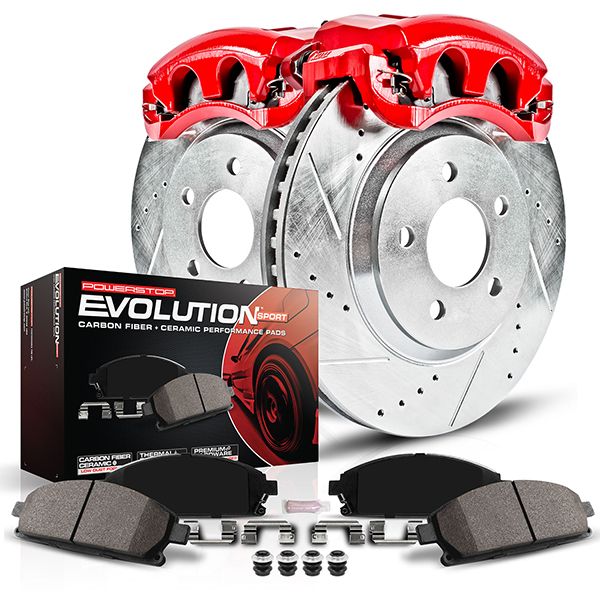
Recommended Brake Caliper Kits
Z23 Evolution Sport Brake Upgrade Kit with Powder Coated Calipers
Part #:
Will not fit your vehicleEverything you need is in the box.
CHOOSE WHERE TO BUY
We’ll link you to this exact product on the retailer’s site
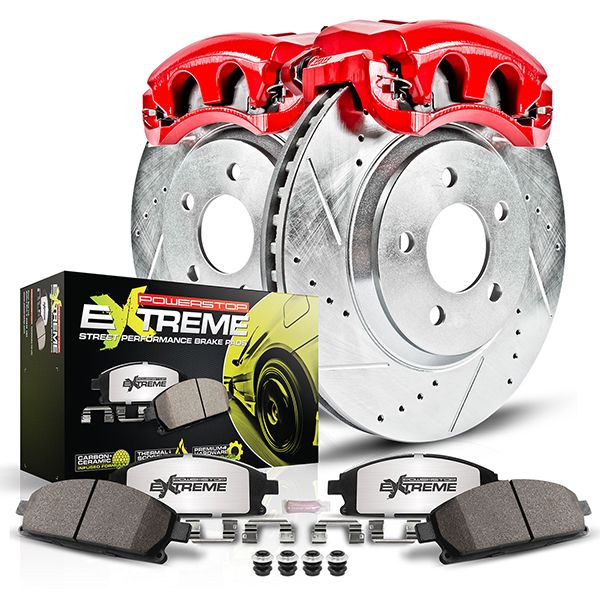
Recommended Brake Caliper Kits
Z26 Street Warrior Brake Upgrade Kit with Powder Coated Calipers
Part #:
Will not fit your vehicleEverything you need is in the box.
CHOOSE WHERE TO BUY
We’ll link you to this exact product on the retailer’s site
Recommended Brake Caliper Kits
Jeep Big Brake Conversion Kit
Part #:
Will not fit your vehicleEverything you need is in the box.
CHOOSE WHERE TO BUY
We’ll link you to this exact product on the retailer’s site
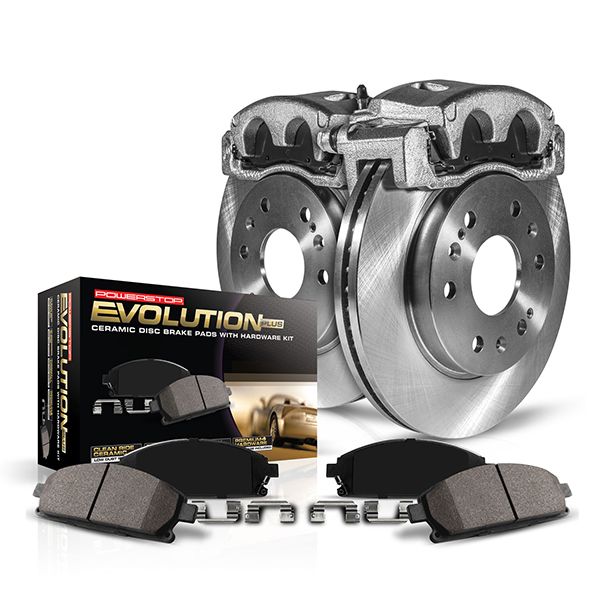
Recommended Brake Caliper Kits
Z17 Stock Replacement Brake Kit with Calipers
Part #:
Will not fit your vehicleEverything you need is in the box.
CHOOSE WHERE TO BUY
We’ll link you to this exact product on the retailer’s site
Sorry, no products matching your vehicle were found in this category.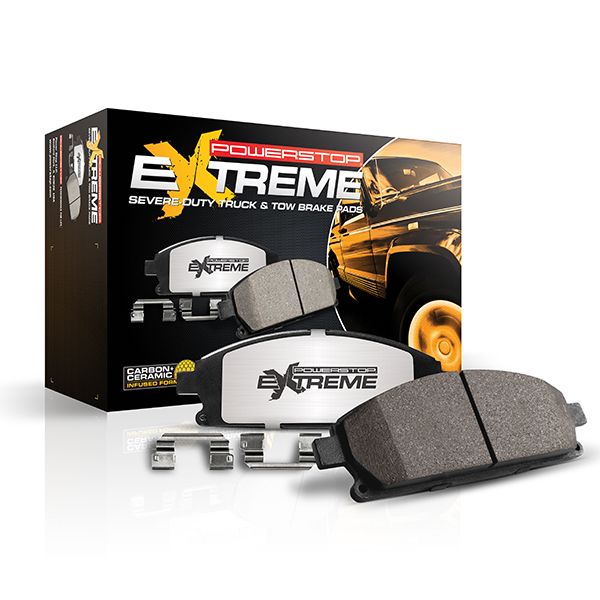
Recommended Brake Pads
Z36 Truck & Tow Carbon-Fiber Ceramic Brake Pads
Part #:
Will not fit your vehicleEverything you need is in the box.
CHOOSE WHERE TO BUY
We’ll link you to this exact product on the retailer’s site
Recommended Brake Pads
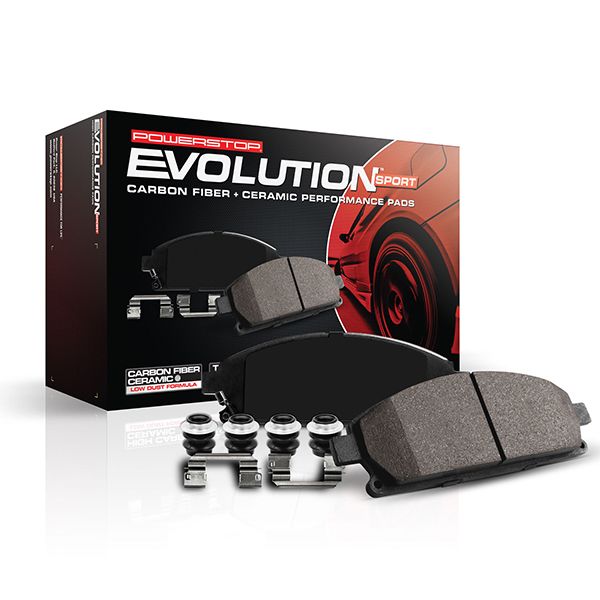
Z23 Evolution Sport Carbon-Fiber Brake Pads
Part #:
Will not fit your vehicleEverything you need is in the box.
CHOOSE WHERE TO BUY
We’ll link you to this exact product on the retailer’s site
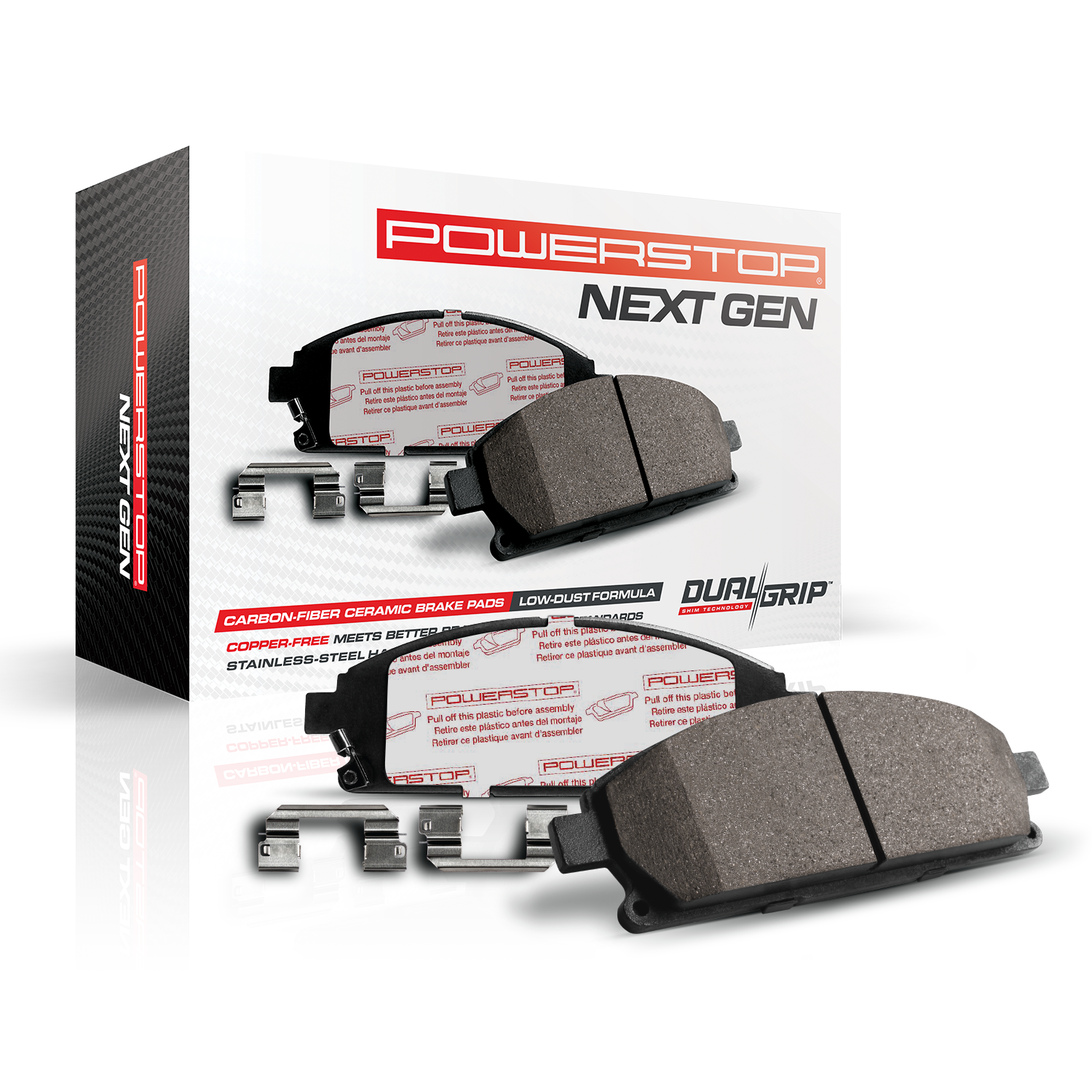
Recommended Brake Pads
Next Gen Carbon-Fiber Ceramic Brake Pads
Part #:
Will not fit your vehicleEverything you need is in the box.
CHOOSE WHERE TO BUY
We’ll link you to this exact product on the retailer’s site
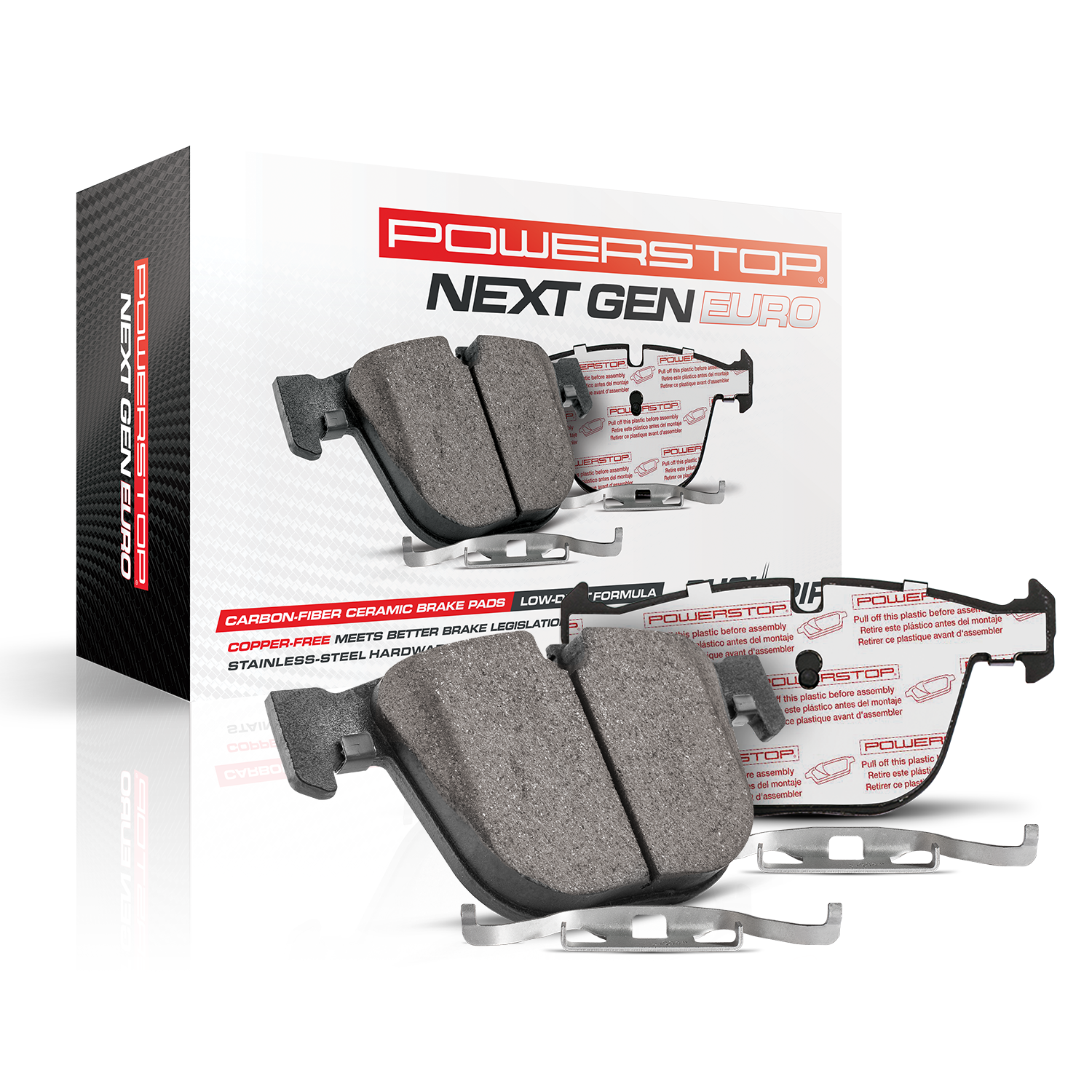
Recommended Brake Pads
Next Gen Euro Carbon-Fiber Ceramic Brake Pads
Part #:
Will not fit your vehicleEverything you need is in the box.
CHOOSE WHERE TO BUY
We’ll link you to this exact product on the retailer’s site
Recommended Brake Pads
Z26 Street Performance Carbon-Fiber Ceramic Brake Pads
Part #:
Will not fit your vehicleEverything you need is in the box.
CHOOSE WHERE TO BUY
We’ll link you to this exact product on the retailer’s site
Recommended Brake Pads
Z17 Evolution Ceramic Brake Pads
Part #:
Will not fit your vehicleEverything you need is in the box.
CHOOSE WHERE TO BUY
We’ll link you to this exact product on the retailer’s site
Recommended Brake Pads
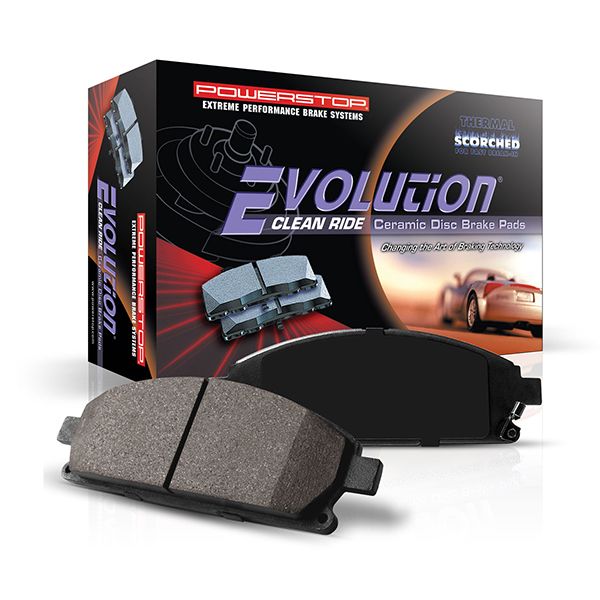
Z16 Evolution Ceramic Brake Pads
Part #:
Will not fit your vehicleEverything you need is in the box.
CHOOSE WHERE TO BUY
We’ll link you to this exact product on the retailer’s site
Recommended Brake Pads
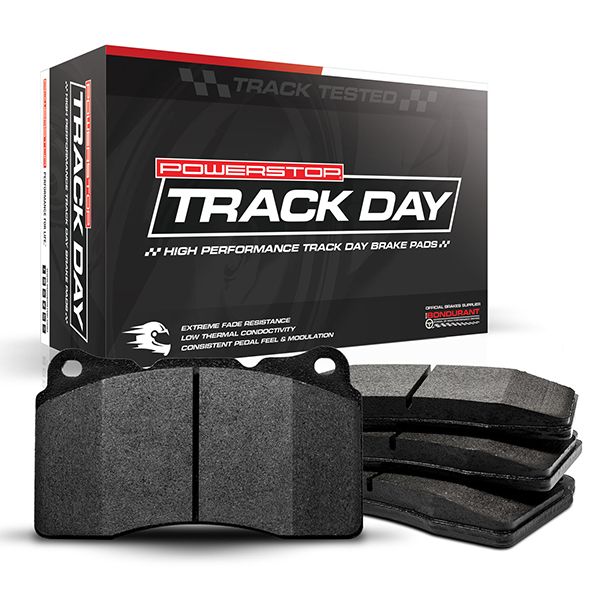
Track Day Brake Pads
Part #:
Will not fit your vehicleEverything you need is in the box.
CHOOSE WHERE TO BUY
We’ll link you to this exact product on the retailer’s site
Recommended Brake Pads
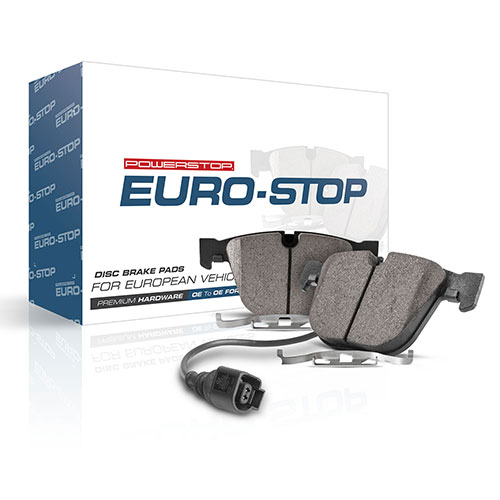
Euro-Stop ECE-R90 Brake Pads
Part #:
Will not fit your vehicleEverything you need is in the box.
CHOOSE WHERE TO BUY
We’ll link you to this exact product on the retailer’s site
Recommended Brake Pads
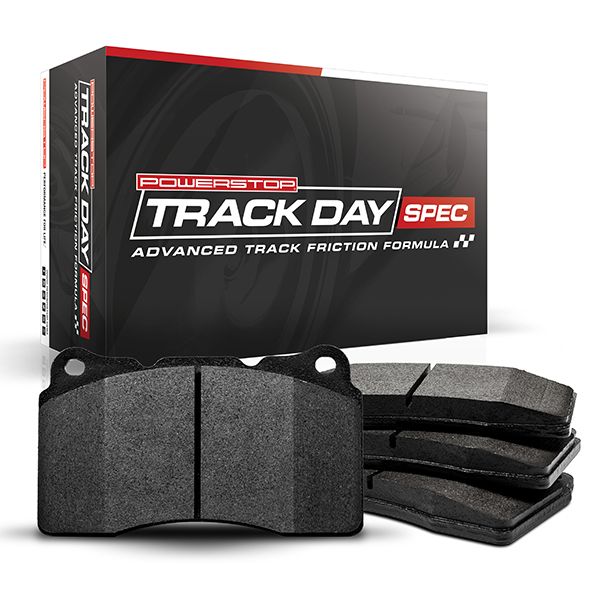
Track Day Spec Brake Pads
Part #:
Will not fit your vehicleEverything you need is in the box.
CHOOSE WHERE TO BUY
We’ll link you to this exact product on the retailer’s site
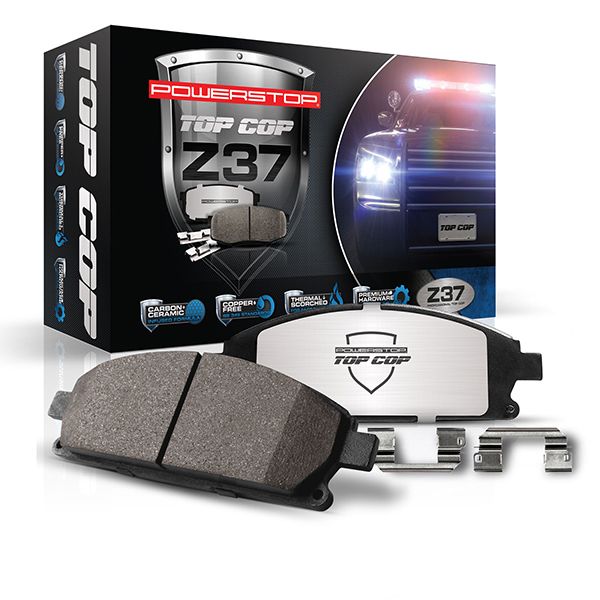
Recommended Brake Pads
Z37 Top Cop Carbon-Fiber Ceramic Brake Pads
Part #:
Will not fit your vehicleEverything you need is in the box.
CHOOSE WHERE TO BUY
We’ll link you to this exact product on the retailer’s site
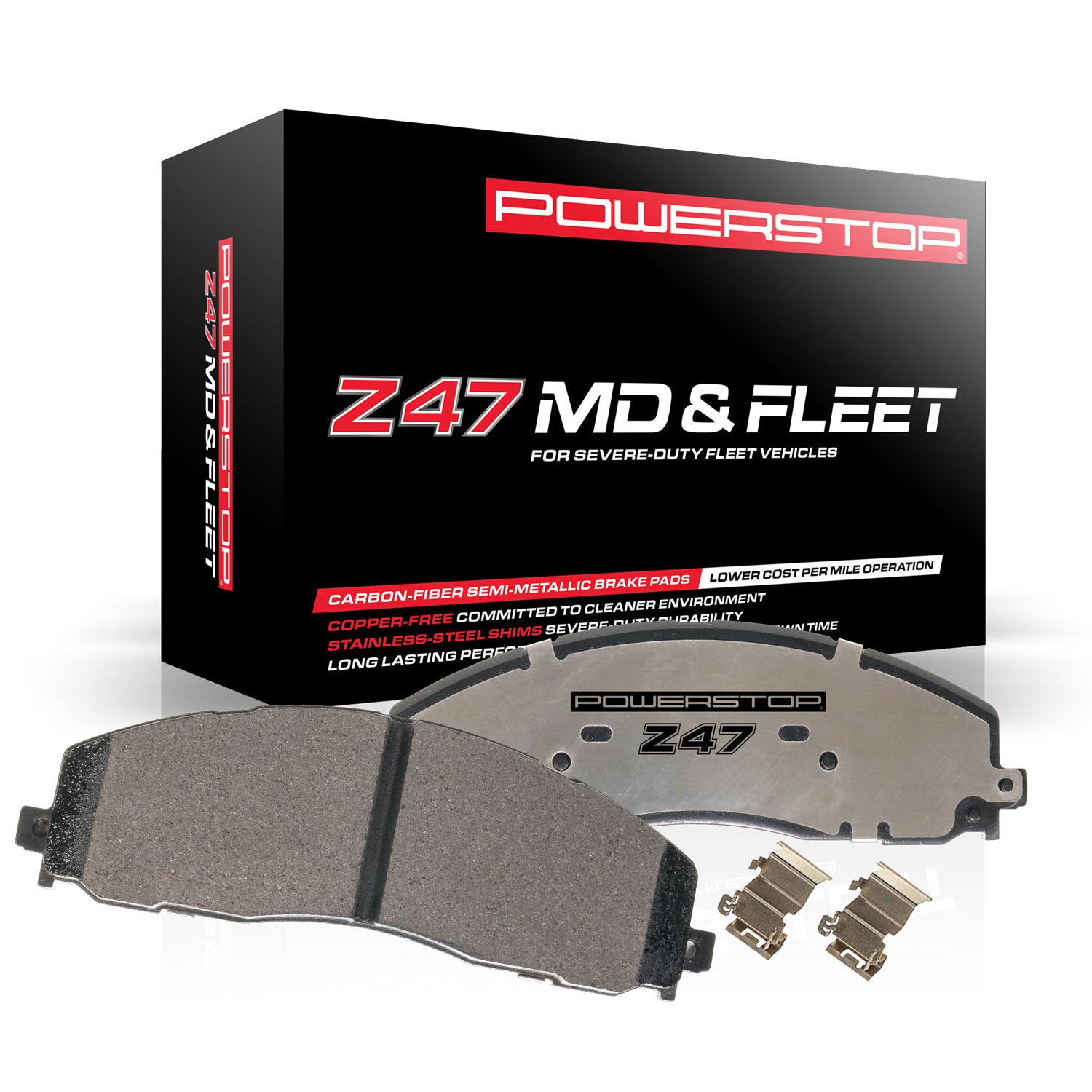
Recommended Brake Pads
Z47 Medium Duty and Fleet Carbon-Fiber Semi-Metallic Brake Pads with Hardware Kit
Part #:
Will not fit your vehicleEverything you need is in the box.
CHOOSE WHERE TO BUY
We’ll link you to this exact product on the retailer’s site
Sorry, no products matching your vehicle were found in this category.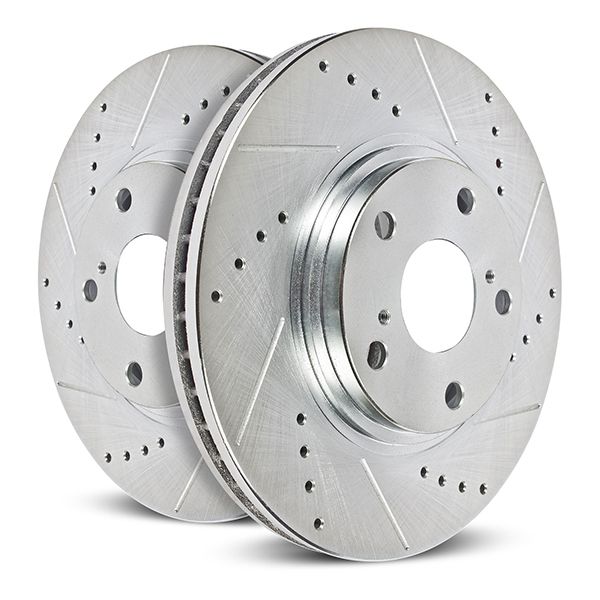
Recommended Brake Rotors
Evolution Drilled, Slotted & Zinc Plated Rotors
Part #:
Will not fit your vehicleEverything you need is in the box.
CHOOSE WHERE TO BUY
We’ll link you to this exact product on the retailer’s site
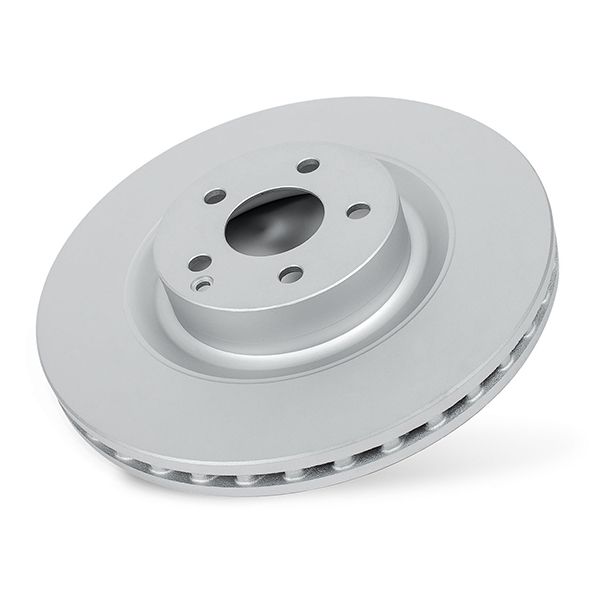
Recommended Brake Rotors
Evolution Genuine GEOMET® Fully Coated Rotors
Part #:
Will not fit your vehicleEverything you need is in the box.
CHOOSE WHERE TO BUY
We’ll link you to this exact product on the retailer’s site
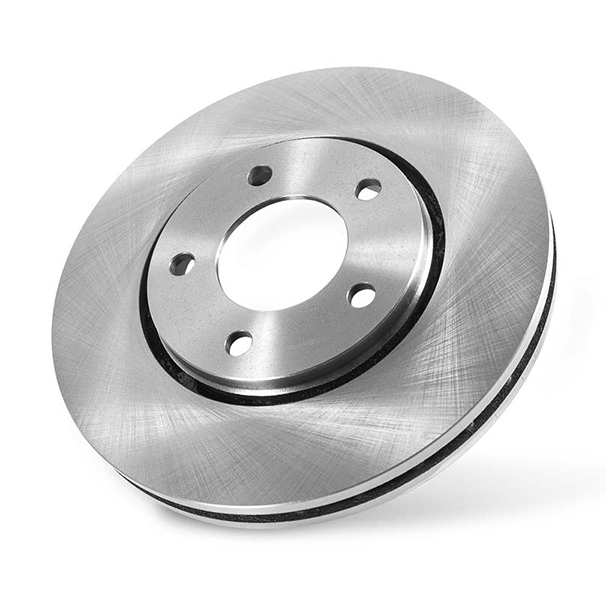
Recommended Brake Rotors
OE Stock Replacement Rotor
Part #:
Will not fit your vehicleEverything you need is in the box.
CHOOSE WHERE TO BUY
We’ll link you to this exact product on the retailer’s site
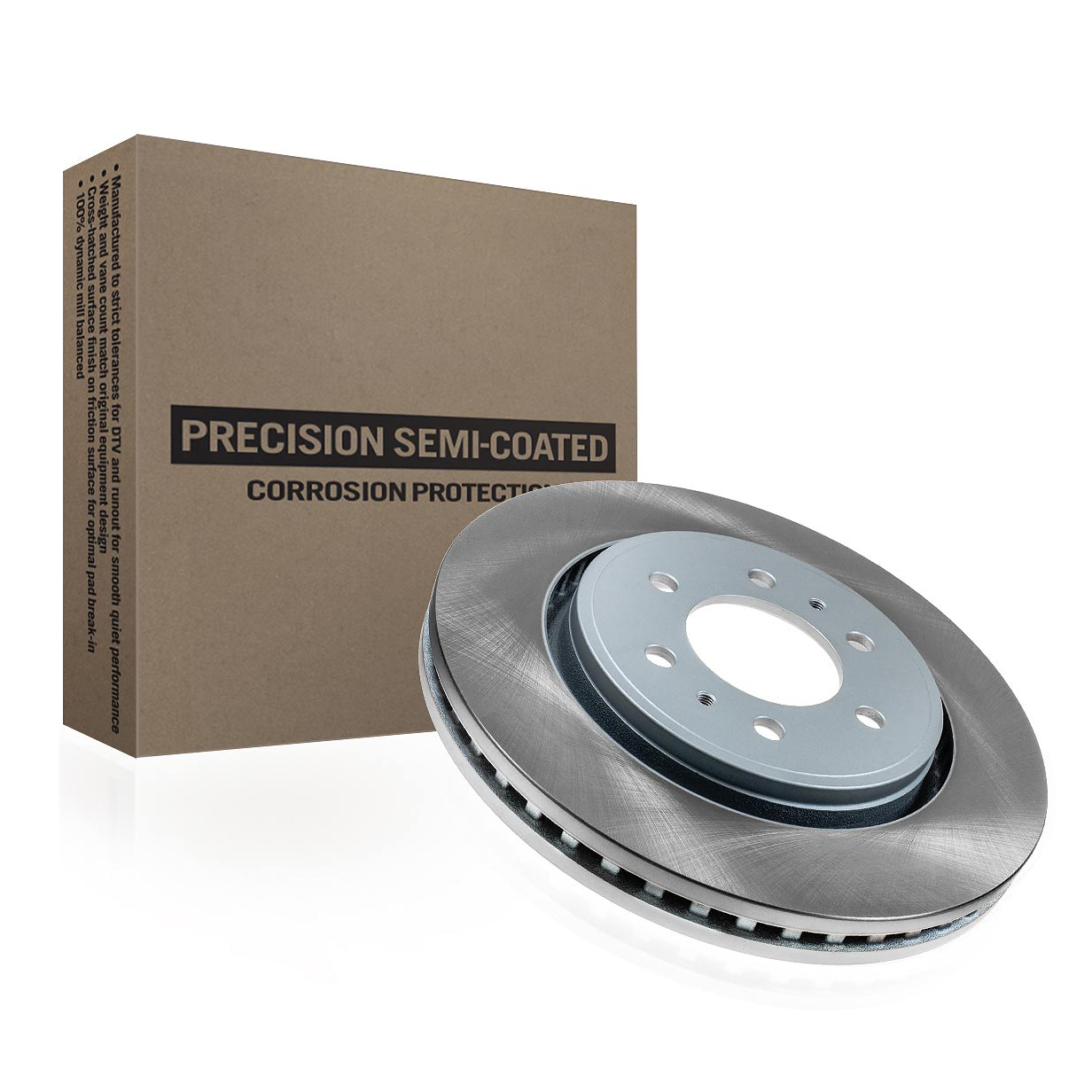
Recommended Brake Rotors
Semi-Coated Rotor
Part #:
Will not fit your vehicleEverything you need is in the box.
CHOOSE WHERE TO BUY
We’ll link you to this exact product on the retailer’s site
Sorry, no products matching your vehicle were found in this category.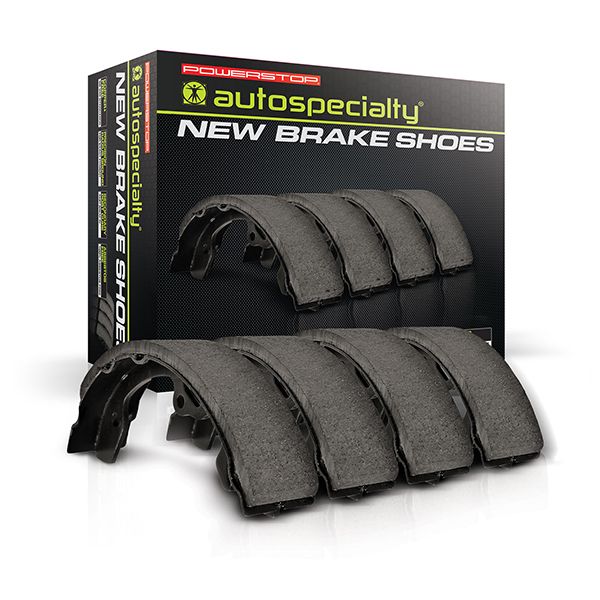
Recommended Brake Shoes
Autospecialty Brake Shoes
Part #:
Will not fit your vehicleEverything you need is in the box.
CHOOSE WHERE TO BUY
We’ll link you to this exact product on the retailer’s site
Recommended Brake Shoes
Autospecialty Parking Brake Shoes
Part #:
Will not fit your vehicleEverything you need is in the box.
CHOOSE WHERE TO BUY
We’ll link you to this exact product on the retailer’s site
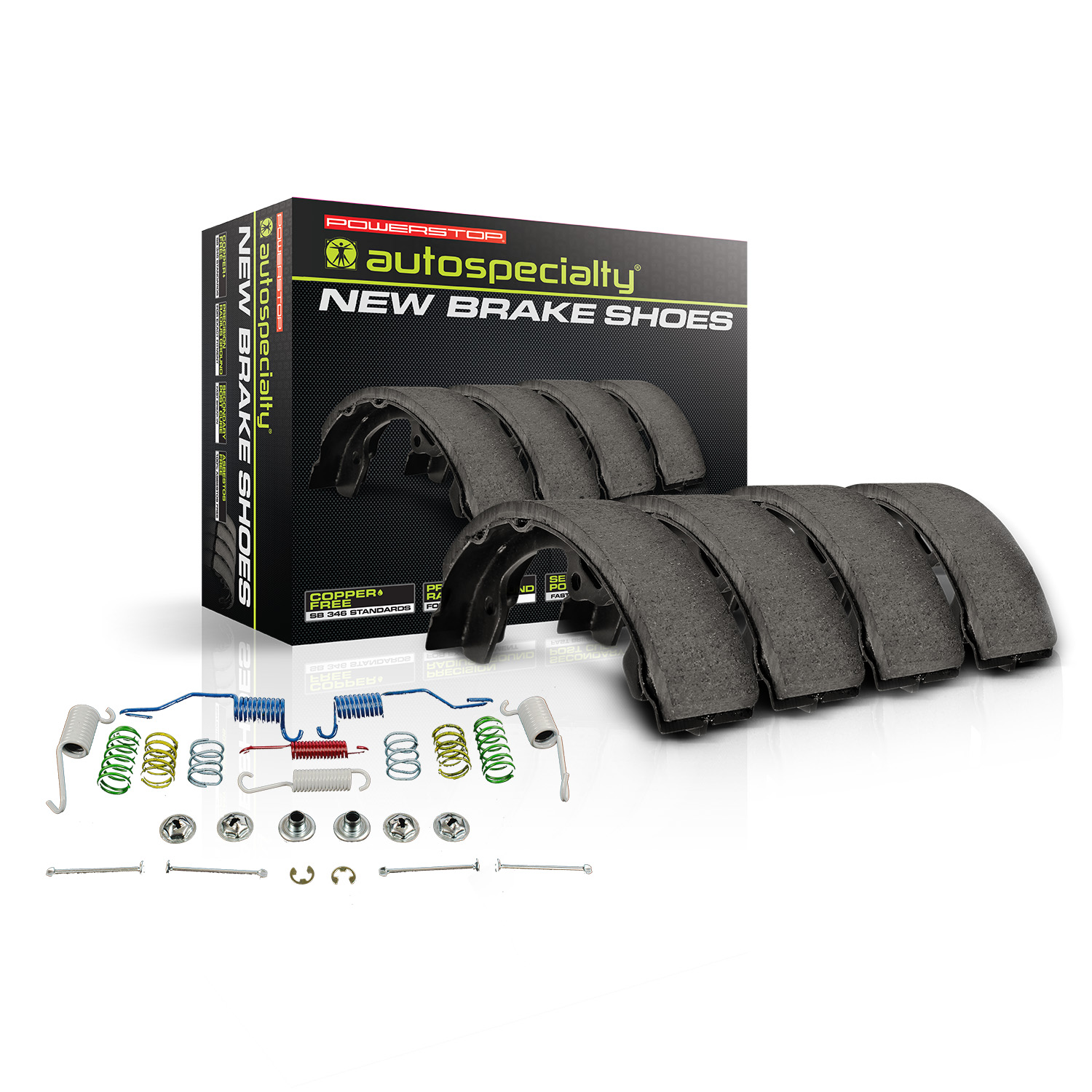
Recommended Brake Shoes
Autospecialty Brake Shoes with Hardware
Part #:
Will not fit your vehicleEverything you need is in the box.
CHOOSE WHERE TO BUY
We’ll link you to this exact product on the retailer’s site
Sorry, no products matching your vehicle were found in this category.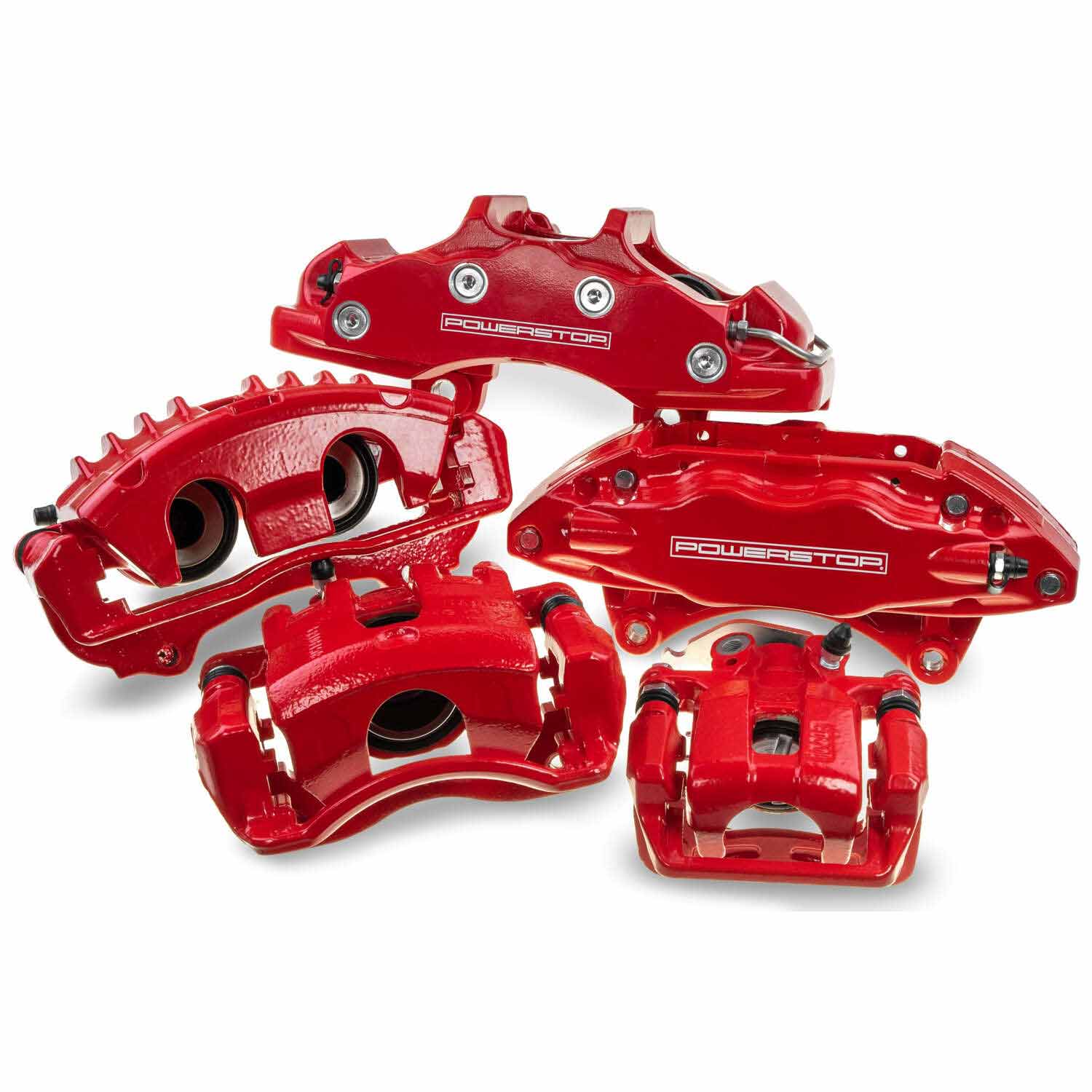
Recommended Calipers
Powder Coated Calipers
Part #:
Will not fit your vehicleEverything you need is in the box.
CHOOSE WHERE TO BUY
We’ll link you to this exact product on the retailer’s site
Recommended Calipers
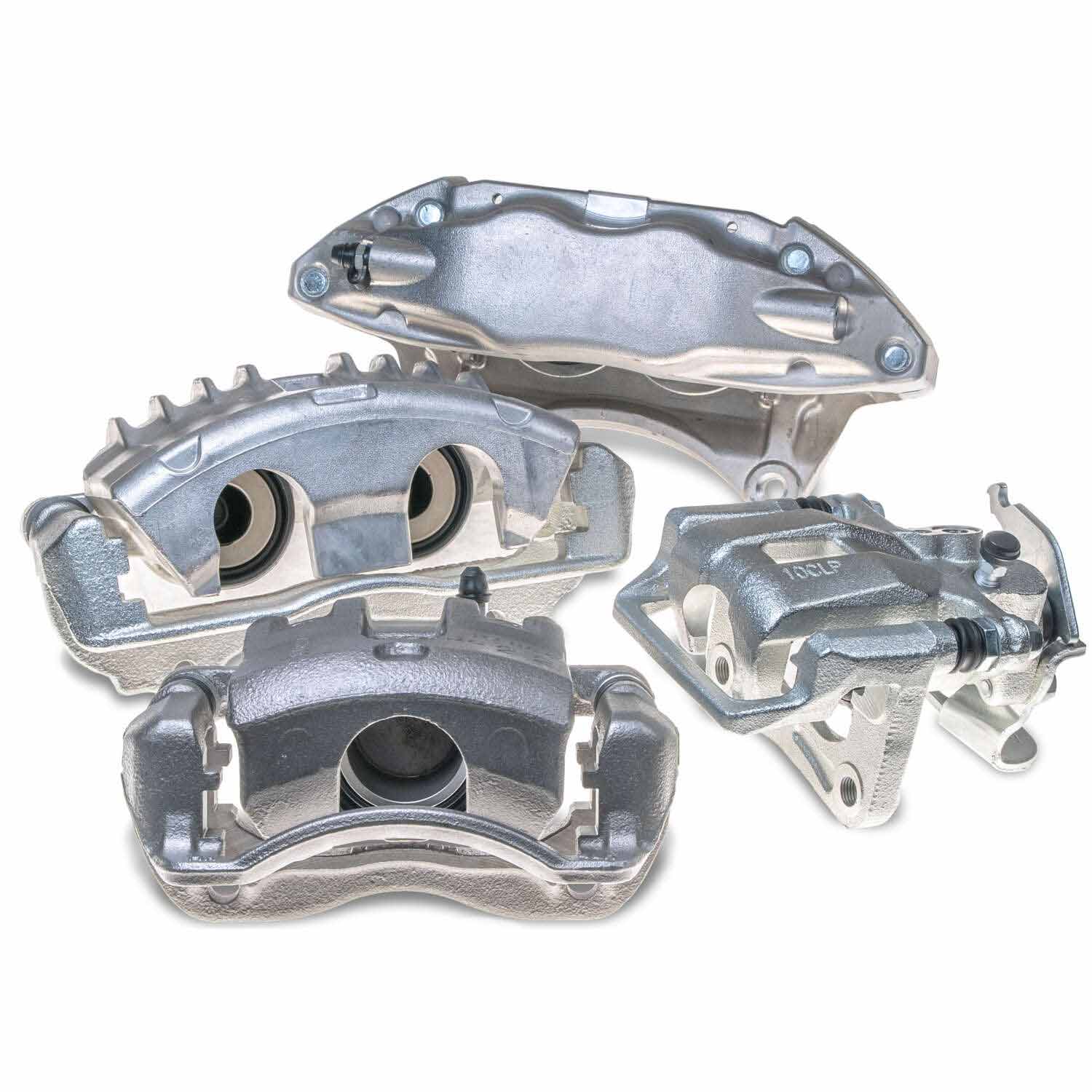
Autospecialty Stock Replacement Calipers
Part #:
Will not fit your vehicleEverything you need is in the box.
CHOOSE WHERE TO BUY
We’ll link you to this exact product on the retailer’s site
Sorry, no products matching your vehicle were found in this category.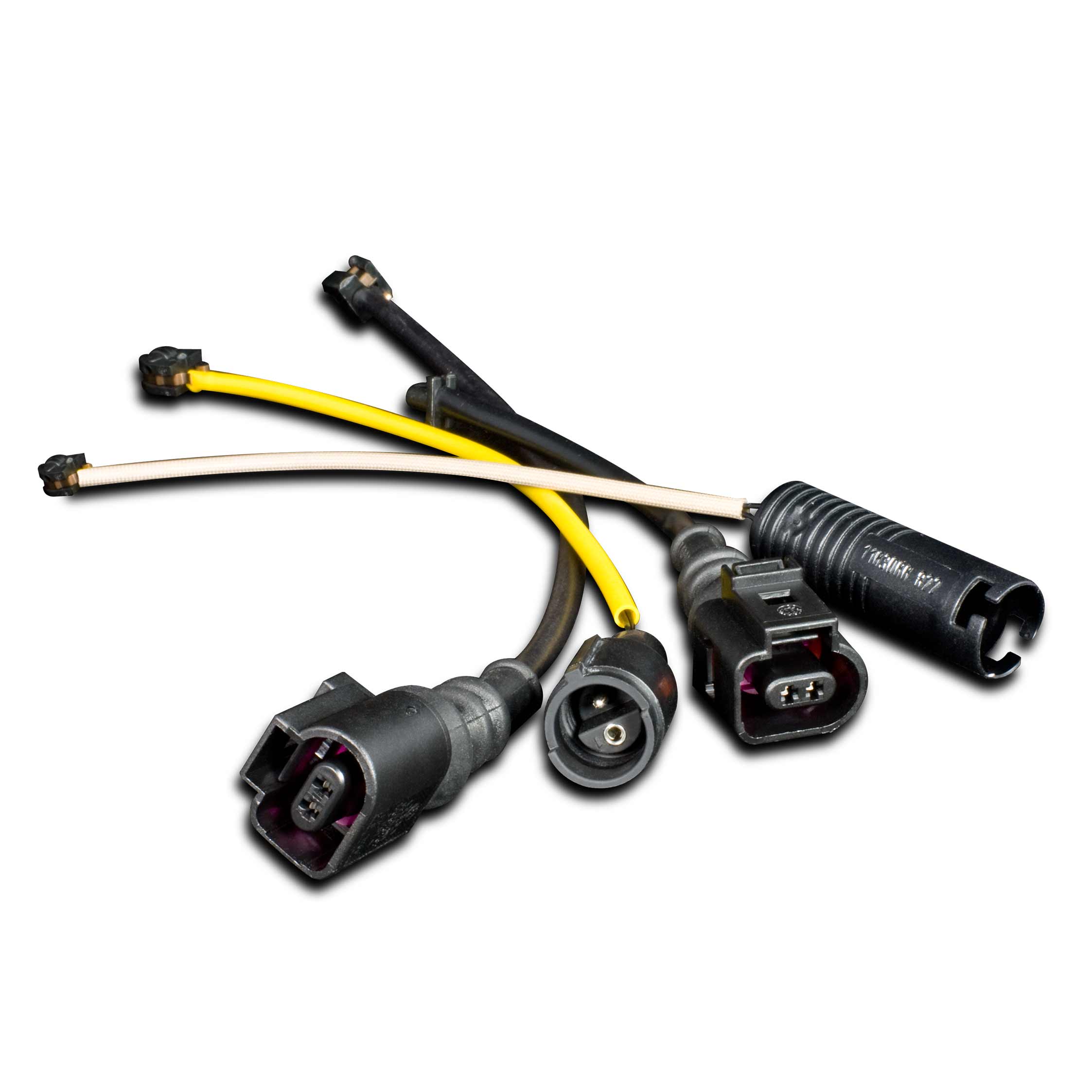
Recommended Pad Wear Sensors
Electronic Brake Wear Sensors
Part #:
Will not fit your vehicleEverything you need is in the box.
CHOOSE WHERE TO BUY
We’ll link you to this exact product on the retailer’s site
Sorry, no products matching your vehicle were found in this category.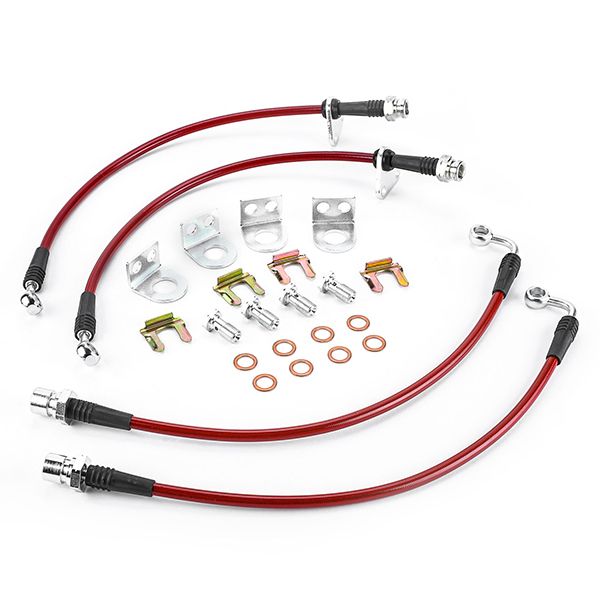
Recommended Brake Hoses
Stainless-Steel Braided Brake Hoses
Part #:
Will not fit your vehicleEverything you need is in the box.
CHOOSE WHERE TO BUY
We’ll link you to this exact product on the retailer’s site
Sorry, no products matching your vehicle were found in this category.
Recommended Big Brake Conversion Kits
Jeep Big Brake Conversion Kit
Part #:
Will not fit your vehicleEverything you need is in the box.
CHOOSE WHERE TO BUY
We’ll link you to this exact product on the retailer’s site
SHOP ALL PRODUCTS THAT FIT YOUR VEHICLE
Brake Upgrade Kits for Virtually Anything You Drive
PowerStop brake upgrade kits include everything in one box – pads, rotors, hardware and more. Our brake kits are available for 98% of cars and trucks on the road. PowerStop offers brake pads using a carbon-fiber ceramic formula for a low-dust, noise-free ride. Most PowerStop brake kits are a direct, bolt-on replacement for original equipment, providing the easy and affordable upgrade for your vehicle.
Z36 Truck & Tow Brake Upgrade Kit
Brake Upgrade for Trucks and 4x4s that tow, haul or off-road
Z26 Street Warrior Brake Upgrade Kit
Brake Upgrade for Muscle Cars and High-Performance Vehicles



Not Sure Which Brakes Are Right For You?
Match Your Vehicle
Second set of PowerStop brakes and rotors. First set was for my jeep and i was so impressed i bought this set for my 3500 ram. Real stopping power, fast delivery and well built.
I put PowerStop brakes on all my vehicles now. I have them on my f350 and haul heavy loads and they stop awesome. That's why I bought these for our family car!
I heard from other hellcat owners that these pads cut down on brake dust significantly and were a good replacement for the stock Brembo brake pads. Well, they were correct. Since I have installed the pads, I now have hardly any brake dust after a week of driving!

Great stopping power and after 6 months look just as they did when they were installed.
Put these on my 2013 F150 and wish I would have done this upgrade the day I bought the truck! Stops way better than it did new. Factory rotors were annihilated towing a 5k lb. trailer downhill. These did it with ease. Highly recommend. And they look great!
I had a small shipping problem when I ordered but was quickly fixed once I contacted Amazon customer service. I've not had any issues with these since installing (5,000 miles ago). I notice a huge reduction of brake dust from the former factory OEM brakes.
Best brakes i have ever used. Period!! Have installed at least 25 set of brakes over the years and i have never had a brake this good. Smooth to the push, low brake dust and wow will it stop. Way better than the stock brakes that came on the 2013 F150. I was not given anything for this review, it is 100% honest.
I LOVE these brakes. I put these on my 2013 F150 and they were a breeze to install. I've probably got around 10,000 miles on them now and I am impressed with the stopping power these have.
Put these in my 16 JKU with 38s. I didn't notice any huge improvement, but they do stop well. What I did notice was that they continued stopping well, even with a trailer, off-road, for 7-8 hours a day on a 7 day 1500 mile trip.